


If you have noticed the white blooms on your peace lily slowly turning a soft shade of green, you are not alone. It is one of the most common concerns we hear, and it often starts with the same question: Is something wrong with my plant?
The good news is that, in most cases, the answer is no. Colour changes are usually a natural part of the plant’s bloom cycle rather than a sign that something is wrong. But because peace lilies are so often given as gifts to mark meaningful moments, we understand why you want to make sure yours thrives for as long as possible.
At B & M Florist, we have spent more than 38 years caring for flowers and indoor plants in Sydney. In this guide, we will explain why peace lily flowers turn green, when it is perfectly normal, and when it may be your plant’s way of asking for a little extra care.
| Key Takeaways – Green peace lily flowers are most often a natural part of the bloom’s life cycle. – Light, water, fertiliser and seasonal change all influence flower colour. – Pruning spent blooms encourages future flowering and a tidier plant. – Persistent green blooms paired with droop or yellow leaves can signal stress. – With the right care, your peace lily will bloom beautifully again. |
Understanding the Peace Lily
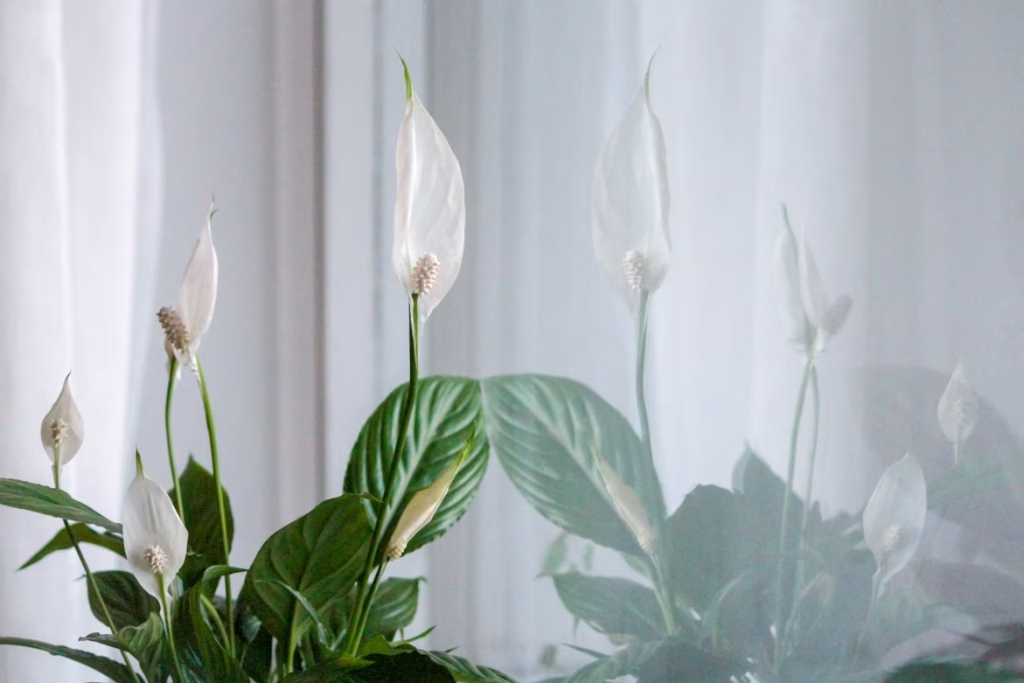
Before we explore why your peace lily is going green, it helps to understand what you are actually looking at. The white “flower” of a peace lily is not technically a flower at all. It is made up of two parts:
- The spathe, which is the smooth, white hood we admire
- The spadix, the small column of tiny “true” flowers tucked inside it.
This detail matters because the spathe behaves quite differently from a typical petal. It is essentially a modified leaf, which is why it can change colour as it ages.
The natural life cycle of a peace lily flower
A peace lily bloom begins as a soft, pale green bud. As it opens and matures, the spathe turns a clean, creamy white. Then, weeks later, it gently shifts back to green again as the chlorophyll (the green pigment found in leaves) begins to return. This is a normal process and part of how the plant conserves energy.
In simple terms, the bloom is stepping back so the plant can focus on fresh growth and future flowers. Rather than being a sign of trouble, this gentle colour change often means your peace lily has bloomed exactly as it should.
Is a Green Peace Lily Flower a Sign of Stress?
In most cases, no. A green peace lily flower is usually nothing to worry about. However, the colour can sometimes offer helpful clues about how your plant is responding to its surroundings.
If your peace lily blooms are going green sooner than expected, or arriving green from the start, one of the following is usually the reason.
Too much light
Peace lilies are famously happy in lower light, which is part of what makes them such a beloved indoor plant. When placed in bright, direct sun, especially against a hot Sydney window, they often respond by producing greener flowers. Look for paler patches on the leaves as a clue.
Excess fertiliser
A nitrogen-rich diet encourages leafy growth, which can come at the expense of the classic white blooms. If you have been feeding regularly and noticing greener flowers, ease off and let your plant rest.
Watering inconsistency
Both underwatering and overwatering can place stress on a peace lily, and that stress can sometimes affect the quality and colour of its blooms. Peace lilies prefer lightly moist soil and tend to do best when their watering routine is steady and consistent.
Underwatering can cause the plant to droop, dry out, and conserve energy, which may lead to smaller or shorter-lived blooms. If this happens often, flowering can become less reliable over time.
Overwatering can be just as problematic. Constantly soggy soil can reduce oxygen around the roots and may lead to root stress or rot, making it harder for the plant to support healthy flowers and foliage.
Seasonal and temperature changes
As the seasons shift, particularly into autumn and winter, lower light levels and cooler temperatures can produce blooms that are greener than usual. This is your plant adjusting to its environment, and it is nothing to worry about.
An ageing or root-bound plant
If your peace lily has been in the same pot for several years, it may simply have outgrown its home. Root-bound plants often produce smaller, greener flowers as they struggle to access enough nutrients. A gentle repot can work wonders.
How to Care for a Peace Lily for Healthy, White Blooms
With a few small adjustments, you can encourage your peace lily back into its full, white-flowering beauty.
The right light
Bright, indirect light is the sweet spot. In Australia, a position near, but not directly in front of, a north or east-facing window tends to work well. If your plant is currently sitting in strong light, simply moving it back a metre or two often makes all the difference.
Watering with intention
Allow the top two to three centimetres of soil to dry out between waterings. Use room-temperature water where possible, and let any excess drain away rather than letting the pot sit in water. Once a week is a good start, adjusting to your home’s warmth and humidity.
Humidity and Sydney’s climate
Peace lilies adore humidity, which is why they often thrive in bathrooms and kitchens. In drier months, a light misting once or twice a week, or a pebble tray underneath the pot, will keep them happy.
Feeding gently
Less is more. A diluted, balanced fertiliser once a month during spring and summer is plenty. Avoid feeding through the cooler months, when your plant is naturally resting.
Repotting and refreshing
Every one to two years, gently lift your peace lily from its pot and check the roots. If they are tightly circling the base, it is time to repot into a slightly larger vessel with fresh, well-draining potting mix. For a deeper look at long-term plant and flower care, our guide on how to make flowers last longer is full of additional tips you may find useful: how to make flowers last longer.
| If your peace lily has lived a long, lovely life and is ready to retire, or you’re looking to add to your collection, you might enjoy refreshing your space with one of our hand-selected indoor plants. |
When and How to Prune Peace Lily Flowers
Pruning spent blooms encourages new flowers and keeps the plant looking elegant. Wait until the bloom has fully turned green or begun to brown, then follow the stem all the way down to the base of the plant and snip it off cleanly with clean, sharp scissors. Cutting at the base, rather than partway up the stem, prevents unsightly stubs and supports healthy regrowth.
Common Peace Lily Mistakes to Avoid
- Placing your plant in direct sunlight, which scorches leaves and greens the blooms.
- Watering on a strict schedule rather than checking the soil first.
- Using cold water straight from the tap, especially in winter.
- Over-fertilising in the hope of more flowers.
- Ignoring drooping leaves until they are severe.
- Leaving the plant in the same small pot for many years.
| Florist’s TipA peace lily that droops dramatically and then perks up beautifully within an hour of watering is not in distress. It is simply a wonderfully expressive plant asking for a drink. |
When Green Flowers May Indicate a Problem
Most green blooms are nothing to worry about. But if you notice green flowers alongside any of the following, your plant may need a little more attention:
- Persistent yellowing of multiple leaves.
- Drooping that does not improve after watering.
- Brown, crispy tips that keep returning.
- Soft, mushy stems at the base.
- A complete absence of new growth over several months.
If any of these signs appear, it may be time to repot, adjust your care routine, or in some cases, gently retire your plant.
Final Thoughts: A Green Bloom Is Rarely Bad News
If your peace lily flowers are turning green, take a breath. More often than not, it is your plant simply moving through its natural rhythm! In many cases, this gentle colour change is a sign of a bloom ageing as it should, not a sign that you have done anything wrong.
With a little understanding of light, watering, and timing, it becomes much easier to recognise what your peace lily needs and how to help it thrive. Small, consistent care can encourage healthier growth, longer-lasting blooms, and a happier plant overall.
| When you are ready to bring another touch of living beauty into your home, or send one to someone you love, our team would be delighted to help. Browse our indoor plant collection, explore our full flower and gift range, or speak with our Sydney florists for personalised plant gifting advice. |
Frequently Asked Questions
Are green peace lily flowers normal?
Yes, in most cases, they are completely normal. Peace lily flowers naturally shift from pale green to white and back to green again as they age. It is part of the bloom cycle, not a sign of illness.
Should I cut off the green peace lily flowers?
Once a bloom has fully turned green or started to brown, it is best to prune it at the base of the stem with clean secateurs. This encourages new flowers and keeps the plant looking neat.
How long do peace lily flowers last?
Each bloom typically lasts between four and six weeks, beginning white and gently fading to green before being pruned. With good care, a healthy peace lily can flower several times a year.
Why won’t my peace lily flowers turn white?
If new blooms are opening green and never whitening, the most common causes are too much light, too much fertiliser, or seasonal changes. Adjusting placement and easing off feeding usually helps.
How often does a peace lily bloom?
A well-cared-for peace lily can bloom two to three times a year, most often in spring and summer. Some mature plants will flower more frequently in ideal conditions.
Can I revive a peace lily that has stopped blooming?
Absolutely. Move it to bright indirect light, water consistently, ease off on fertiliser, and consider repotting if it has been in the same pot for years. With patience, most peace lilies will reward you with new blooms.
Are peace lilies safe around pets?
Peace lilies are mildly toxic to cats and dogs if ingested, so it is best to keep them out of reach of curious pets. If you are looking for a pet-friendly alternative, our florists are always happy to help you choose.
Where is the best place to put a peace lily in my home?
Bright, indirect light with a touch of humidity is ideal. Bathrooms, kitchens and shaded living areas are often perfect, especially away from harsh afternoon sun.
